
The Power of Observation: Learning from Black Naturalists and Our Own Backyards
- Vanessa Miot
- Feb 10
- 4 min read

A celebration of curiosity, care, and noticing what’s right outside our doors
A big thank you to everyone who came out to the library for Black Naturalist & the Power of Observation in celebration of Black History Month. The group was full of curiosity, quiet wonder, and that special kind of joy that happens when people slow down together and really look.
We spent time learning about Black naturalists and scientists, observers, artists, researchers, and storytellers, who have shared what they noticed about the natural world and, in doing so, helped shape science as we know it today. Their work reminds us that observation is powerful. Paying attention is powerful. And sharing what you see, through words, art, data, or conversation, matters.





The quiet power of being a naturalist
Being a naturalist doesn’t start with a field guide or a fancy title. It starts with noticing. With pausing long enough to ask, What’s that? or Why does this look the way it does? That simple act can have a surprisingly deep impact on how we feel.
Observation invites calm. When we focus on the details of a leaf or the movement of a bird, our minds slow down. Stress softens. There’s room to breathe. Many people find that regular nature observation helps them feel more grounded and present, offering a gentle reset in the middle of busy days.
It also sharpens the mind. Paying attention builds focus and curiosity. Patterns begin to emerge. Questions follow. Learning feels less like work and more like discovery. Over time, observation strengthens our ability to think critically, make connections, and stay open to wonder.
And of course, there’s the physical side, getting outside, moving our bodies, crouching low to look closer, walking a little farther just to see what’s around the bend. Nature invites us to move without pressure, to explore at our own pace, and to reconnect with fresh air and daylight.

Where curiosity can lead
One of the most beautiful things about observation is how it grows. It rarely stays in just one place.
I started by watching birds, learning their calls, and noticing who showed up when. That curiosity led me to insects, then to native plants, and most recently to lichen. Each new interest opened another door, another layer of the world I hadn’t noticed before. What began as a simple backyard curiosity turned into ongoing learning, a deeper connection, and even new pathways in my work and creativity.
For some, this journey becomes a lifelong hobby. For others, it sparks careers in science, education, conservation, art, or advocacy. Naturalists become researchers, illustrators, photographers, park stewards, and storytellers. And many simply become people who feel more connected to the places they live.
There’s no wrong direction, only the next thing that catches your eye.
Turning observations into science
Your noticing doesn’t have to stay with you alone. Around the world, everyday observers are contributing to real scientific research through community science, and digital nature journaling makes it easier than ever to share what you see. Platforms like iNaturalist and eBird allow you to upload photos, sounds, and notes from your observations, turning everyday moments into valuable data that scientists use to track biodiversity, migration patterns, and environmental change.
Those birds at your feeder, the lichen on the sidewalk, the insect you spotted on a park walk, all of it counts. Your backyard sightings and neighborhood discoveries add up, becoming part of a much larger story about the health, diversity, and resilience of our shared ecosystems. By simply paying attention and sharing what you notice, you’re helping science, and reminding us all that meaningful discovery often starts right outside our door.
Looking ahead: City Nature Challenge
If you’re ready to put your observation skills into action, keep an eye out for the City Nature Challenge, happening April 24–27, 2026. This global event invites people everywhere to document as many living things as possible over a few days, right where they are.
Whether you’re brand new to observing or already keeping a nature journal, the City Nature Challenge is a fun, meaningful way to explore your surroundings, learn something new, and contribute to science alongside your community. Dates and local details are coming soon, and we can’t wait to share ways to participate together.
Ready to put your observation skills to work in a global event?
This annual event invites people from cities everywhere to document as many plants, animals, fungi, and other organisms as possible, right from their neighborhoods and backyards!
Whether you’re a seasoned observer or just starting out, the City Nature Challenge is a playful, powerful way to:
Explore your local green spaces
Share your observations with the world
Help scientists better understand biodiversity
Keep noticing
Thank you again for being part of this gathering, for showing up ready to look closer, listen deeper, and celebrate the power of observation. Keep noticing what’s growing, crawling, flying, and quietly thriving around you. Keep wondering. And keep sharing what you see.
Your curiosity is a gift, to yourself, to your community, and to science.
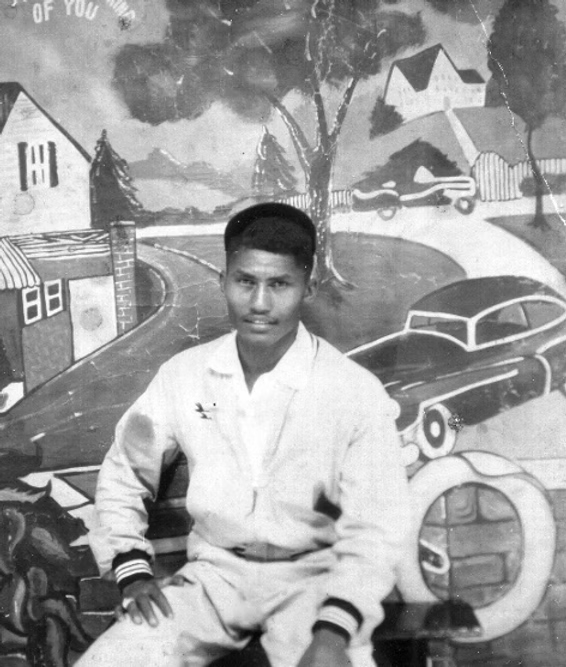
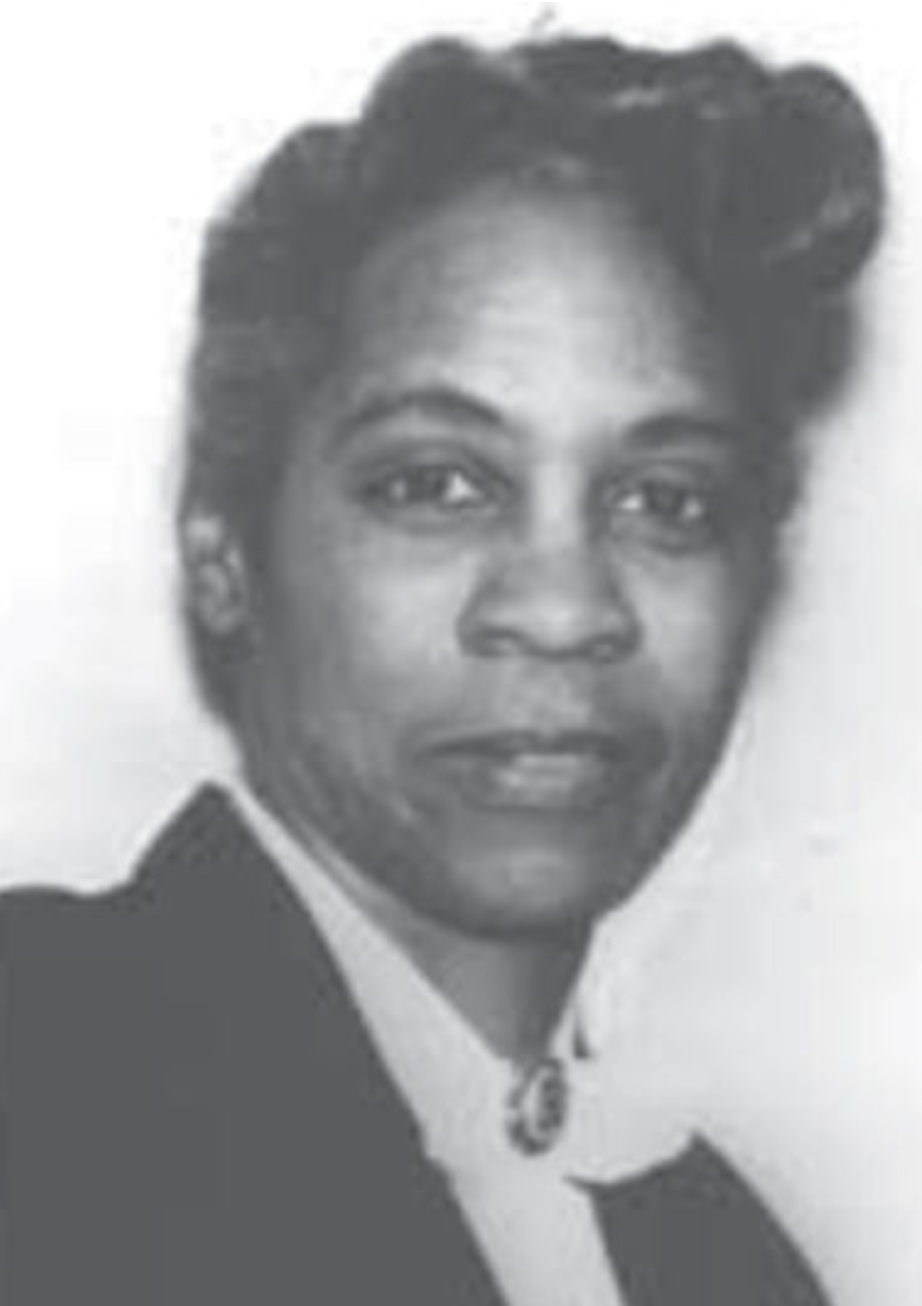
Naturalists we learned about: Sibonelo Chiliza, Margaret Walker, Alma Thomas, Tamara Natalie Madden, Anne Bethel Spence, Alexis Nikole Nelson, Harold Newton, Alfred Hair, Marie Clark Taylor and William H. Johnson .











Comments